Soft landscaping in Spitalfields
If you are looking for soft landscaping in Spitalfields, you are likely trying to improve a courtyard, terrace, garden, frontage, communal space, or commercial outdoor area that needs to feel more welcoming, more usable, and better suited to local conditions. In a place like Spitalfields, outdoor spaces often have to work hard. They may be compact, overlooked, partially shaded, exposed to foot traffic, or shared between several users. That means the right planting and green design choices matter just as much as the build itself.
Soft landscaping is the living side of an outdoor project. It includes turf, planting schemes, shrubs, trees, seasonal colour, soil improvement, mulching, edging around beds, and the careful finishing touches that make hard surfaces feel complete. For homeowners, landlords, property managers, hospitality venues, offices, retail premises, and managed residential developments in and around Spitalfields, the right approach can transform a space without needing a full structural overhaul.
Whether you want a calm private retreat, a tidy and low-maintenance frontage, or a professional look for a business entrance, a local team can help you make sensible choices for the area’s conditions. Soft landscaping is not only about appearance; it is also about resilience, upkeep, seasonal performance, and choosing plants and materials that suit central London life.
Why soft landscaping matters in Spitalfields

Spitalfields is a distinctive part of East London with a mix of period townhouses, converted buildings, modern apartments, courtyards, rooftop spaces, shared gardens, and commercial units. That variety makes soft landscaping both exciting and challenging. A planting scheme that works in a sunny suburban garden may not suit a shaded courtyard near tall buildings, and a display that looks good in summer may fail if it is not designed with winter structure and maintenance in mind.
Local properties often need solutions that balance beauty with practicality. In narrow access areas or inner courtyards, there may be limited room for machinery, restricted delivery windows, or surfaces that need protecting during work. A thoughtful soft landscaping service takes all of this into account from the start, so the finished result feels integrated rather than forced.
For many customers, the main goal is to make an outdoor area feel more usable. That could mean adding planting to soften a paved terrace, creating a green edge around a seating area, refreshing tired beds, or building a small but effective landscape scheme that adds life and privacy. In the busy surroundings of Spitalfields, even modest changes can have a noticeable impact.
What soft landscaping can include
Soft landscaping covers a wide range of living elements. Depending on your space, it may include:
- New turf or lawn replacement where suitable
- Planting beds with shrubs, perennials, grasses, and seasonal plants
- Tree planting for privacy, structure, or shade
- Soil preparation, composting, and improved drainage
- Mulching to retain moisture and suppress weeds
- Raised planters and container planting for compact spaces
- Replacing tired planting with more resilient alternatives
- Border definition and soft-edged transitions between paving and greenery
Soft landscaping for local homes, courtyards, and roof terraces

Residential customers in Spitalfields often ask for soft landscaping that makes the most of limited space. Many local homes and flats have compact gardens, basement lightwells, shared communal areas, or terraces where every square metre counts. In these settings, design choices need to be practical as well as attractive. Plant selection must consider light levels, wind exposure, seasonal change, and how much time the owner wants to spend on upkeep.
A carefully planned planting scheme can make a small outdoor area feel larger and calmer. Layered planting, vertical greenery, structured shrubs, and well-chosen containers can create depth without clutter. If you have a roof terrace, the approach is different again: plants may need to cope with more wind and sun, and containers should be selected for both stability and visual balance. In courtyard gardens, shade-tolerant planting and tidy structure often work best.
We also regularly see local properties where the existing garden or patio looks flat because the planting has become tired or overgrown. In those cases, soft landscaping can refresh the whole setting by introducing healthier soil, better plant spacing, and a more coherent layout. The result is often a space that feels cleaner, brighter, and easier to enjoy throughout the year.
Useful for landlords and property managers
Landlords, letting agents, and managing agents in the Spitalfields area often need outside spaces to be simple to maintain and presentable between tenancies or for shared use. Soft landscaping can help create an environment that looks cared for without becoming a maintenance burden. For these customers, the priority is often reliability, tidy finishes, and planting choices that do not demand constant attention.
Common requests include:
- Low-maintenance planting for shared gardens
- Quick visual improvements before new tenants move in
- Replacement of failed shrubs or patchy turf
- Seasonal tidy-ups and replanting
- Making communal spaces feel more attractive and usable
In many cases, the best solution is not the most complicated one. A well-balanced, robust planting scheme that fits the site and the level of care available can save time and keep the space looking good for longer.
Soft landscaping for shops, offices, hospitality venues, and commercial premises

Spitalfields is home to a lively mix of retail units, office spaces, cafes, restaurants, and hospitality businesses. For commercial customers, soft landscaping can be a simple but effective way to improve first impressions. A neat planted frontage, attractive planters, or a tidy green edge around a seating area can make a business feel more inviting before a customer even steps inside.
Commercial soft landscaping needs to be practical, durable, and aligned with how the property is used. Delivery access, customer flow, pedestrian traffic, and building management rules all matter. For example, a restaurant may want planting that looks lively without blocking entrances or pavement space. An office may prefer a clean, professional look with year-round structure. A retail frontage may need robust plants that can cope with regular attention and a busy urban setting.
Good planting is part of the customer experience. It can soften the look of hard architecture, improve atmosphere, and support a more polished presentation. In an area as active and visually varied as Spitalfields, these details are often noticed immediately.
Typical commercial soft landscaping services
Commercial work often includes:
- Frontage planting and entrance enhancement
- Seasonal planter refreshes
- Courtyard and break-out space planting
- Replacement planting after weather or wear damage
- Low-maintenance schemes for year-round presentation
- Coordination with building access and site rules
Where access is tight, a local team familiar with the area can plan work around loading restrictions, shared entrances, and busy pedestrian routes. That helps reduce disruption and keeps the project moving smoothly.
Why local knowledge helps
Spitalfields presents unique working conditions. Narrow streets, shared access points, nearby construction activity, and a mix of old and new buildings all affect how soft landscaping should be carried out. A local service understands that deliveries may need careful timing, plant movement may require extra protection, and some spaces have limited room to stage materials.
This is especially important if your space sits close to high footfall areas or within managed property blocks. Planning ahead avoids avoidable delays and ensures that the work fits the location rather than disrupting it.
What is included in a soft landscaping service
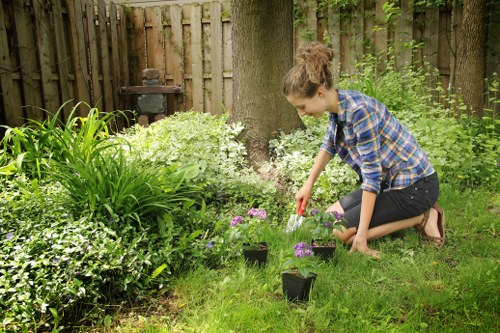
The exact scope depends on your site and your goals, but a well-run soft landscaping project in Spitalfields usually begins with a site assessment and a discussion of how the space is used. From there, the work may include soil preparation, removal of failed planting, selection of suitable plants, installation of new greenery, and the final tidy-up that makes everything look intentional and complete.
Where required, the service may also include improving growing conditions. In urban settings, soil can be compacted, poor in nutrients, or affected by previous construction work. A planted area will only thrive if the root zone has the right conditions, so preparation is often just as important as the planting itself.
When customers enquire about soft landscaping in Spitalfields, they often want to know what the service covers in practical terms. The answer is usually a combination of design input, supply, installation, and finishing. Depending on the site, this may involve everything from a modest refresh to a more considered planting scheme with layered structure and seasonal interest.
Possible stages of work
- Initial discussion about your space and objectives
- Site assessment, including light, access, and ground conditions
- Plant selection based on appearance, maintenance, and suitability
- Preparation of beds, borders, planters, or lawn areas
- Planting, shaping, and positioning for the best visual balance
- Mulching or finishing touches to help the planting establish
- Clear-up so the area is left neat and ready to use
For larger or more complex projects, the work may also be phased to suit site access or occupancy. For example, a communal garden or business frontage may need to remain partly open while the landscaping is completed in sections.
Design choices that suit urban spaces
In Spitalfields, successful soft landscaping often relies on a few smart decisions rather than an overcomplicated design. Plants may be chosen for:
- Shade tolerance in enclosed courtyards
- Wind resilience on rooftops and upper-level spaces
- Year-round structure for visual consistency
- Low maintenance where regular care is limited
- Pollinator-friendly value where appropriate
- Compact root systems for planters and small beds
How the service works from enquiry to completion

Most customers prefer a straightforward process, especially when they are fitting landscaping work around everyday life, tenant changes, or business operations. A local soft landscaping service should therefore feel organised and practical from the outset. It should be clear what is being done, what access is needed, and how the work will be scheduled.
Typically, the process starts with a conversation about the site, the style you want, and how much maintenance you are willing to take on afterwards. If your outdoor space is small or awkwardly shaped, it helps to discuss photos, dimensions, and any known restrictions. In Spitalfields, that might include building access rules, loading limitations, or whether the area is shared with neighbours or customers.
Once the brief is clear, the next stage is usually a site visit or assessment. This allows the team to check conditions such as light, drainage, soil quality, and access for materials. From there, a practical proposal can be shaped around your needs. If the project is approved, the work is scheduled and carried out with minimal disruption.
What clients usually want to know
Many local customers ask similar questions before booking:
- How much access is needed for materials and planting
- Whether existing planting can be reused or improved
- How long the work is likely to take
- What level of maintenance will be needed afterwards
- How the scheme will perform through different seasons
These are sensible questions. A good result depends on matching the service to the site, not forcing a generic solution onto it.
Preparation checklist for customers
To help a project run smoothly, you may want to prepare the following before work begins:
- Clear access to the garden, courtyard, terrace, or frontage
- Remove personal items, furniture, and breakables where possible
- Let the team know about any restrictions on noise, timing, or access
- Share any preferences for colours, plant styles, or maintenance levels
- Highlight areas that need extra privacy, screening, or shading
- Explain whether the space is for private use, communal use, or customers
Good preparation does not need to be complicated. It simply helps ensure the new planting is installed efficiently and finished to a high standard.
Pricing factors and what affects the quote
Customers often want to understand what shapes the cost of a soft landscaping project. While exact prices are not listed here, several practical factors influence the quote for work in Spitalfields. These factors help explain why two outdoor spaces of similar size may need very different approaches.
Common pricing factors include the amount of preparation required, the type and number of plants, whether soil needs improving, how easy the site is to access, and whether old planting or debris needs to be cleared first. A simple planter refresh is very different from reworking a courtyard with poor soil and difficult access. The more tailored the work, the more the quote reflects the specific demands of the space.
Other considerations may include delivery logistics, whether the job needs to be completed outside normal business hours, and whether a scheme requires especially hardy or specimen planting. In central London, time and access can be just as important as the materials themselves.
Factors that can change the scope
- Site size and layout
- Condition of existing planting
- Need for soil conditioning or drainage improvement
- Plant choice and maturity level
- Access constraints, stairs, narrow passages, or roof levels
- Whether the work is residential or commercial
- Ongoing maintenance requirements after installation
If you are comparing options, it is worth looking beyond the initial appearance of a scheme. A planting plan that seems cheaper at first may not last as well in a shaded courtyard or exposed terrace. Choosing suitable species and proper preparation can save time and stress later.
Why a local team can be a practical choice
Working with a team familiar with Spitalfields and nearby areas such as Whitechapel, Aldgate, Shoreditch, Bethnal Green, and the City fringe can make the process simpler. Local knowledge helps with access planning, timing, and understanding the kinds of properties commonly found in the area. It can also help when the project involves shared entrances, mixed-use buildings, or customer-facing fronts.
This local understanding matters because soft landscaping is rarely just about putting plants in the ground. It is about making the scheme work in the real world, day after day, in the environment where it will actually be seen and used.
Benefits of choosing soft landscaping over leaving spaces bare
An untreated or neglected outdoor space can make a property feel unfinished, even if the building itself is attractive. Soft landscaping helps bring warmth, movement, and seasonal interest to a space. It can also improve privacy, create a more relaxed atmosphere, and soften the visual impact of concrete, brick, stone, and glass.
In a busy urban neighbourhood, these benefits are more than cosmetic. A thoughtfully planted area can help a residential courtyard feel more peaceful, make a commercial frontage look more cared for, and improve the usability of a small outdoor setting. For many local properties, that makes a real difference to how the space is experienced by residents, visitors, staff, or customers.
Some of the most valued benefits include:
- Improved appearance and curb appeal
- Better use of limited outdoor space
- More privacy and screening where needed
- Year-round structure and seasonal variation
- A calmer, more welcoming feel
- Options for lower maintenance design
Soft landscaping and maintenance
One of the most important conversations to have at the start is how much maintenance you want the space to need. Some customers enjoy regular planting changes and seasonal colour. Others need a robust, low-maintenance scheme that stays tidy with minimal attention. Both approaches can work well, but they need to be planned differently.
If you want a simpler ongoing routine, it may be better to focus on resilient shrubs, evergreen structure, drought-tolerant planting, and efficient mulching. If you prefer more colour and variety, bedding and seasonal planting can be incorporated into a balanced design. The key is to be honest about how the space will actually be looked after.
Areas covered
Soft landscaping work in Spitalfields often extends across nearby streets and districts, including surrounding parts of East London and central London. This can be useful for homeowners, landlords, businesses, and managing agents with properties in more than one location. If your site is near Whitechapel, Aldgate, Shoreditch, Stepney, Bethnal Green, or the City edge, a local team can usually plan work with the same practical approach.
That local reach is especially helpful for customers with multiple properties or premises that need a consistent standard across different sites.
Frequently asked questions about soft landscaping in Spitalfields
Can soft landscaping work in a very small courtyard?
Yes. Small courtyards can often benefit greatly from soft landscaping, provided the plant choice and layout are suited to the space. Containers, vertical planting, compact shrubs, shade-tolerant plants, and layered arrangements can all work well where ground space is limited.
What if my garden has poor soil or low light?
That is common in central London settings. The solution may involve improving the soil, choosing better-suited plants, and adjusting the layout to work with shade rather than against it. In some cases, raised beds or container planting can be a better option than trying to force traditional planting into difficult conditions.
Do commercial premises need a different approach?
Usually, yes. Commercial sites often need durable, presentable, and easy-to-manage planting that works alongside foot traffic, opening hours, and building access rules. The design should support the way the property is used, rather than creating extra maintenance issues.
How much maintenance will my new planting need?
That depends on the scheme. Some planting requires only seasonal care, while other schemes need more regular attention, especially while establishing. If you want a lower-maintenance option, that should be discussed at the planning stage so the planting mix and layout reflect your preferences.
Can existing planting be improved rather than replaced?
Often, yes. Sometimes a space only needs selective replacement, soil refresh, pruning, spacing adjustments, or better mulching. A site assessment can show whether it is better to revive existing planting or start again with a cleaner plan.
How do I know what is suitable for my property?
The best choice depends on the amount of light, the level of exposure, the style of the property, the intended use of the space, and how much upkeep is realistic. A local soft landscaping service can help you narrow this down so the result looks good and performs well.
Ready to improve your outdoor space?
If you are considering soft landscaping in Spitalfields, now is a good time to take the next step. Whether you want to refresh a courtyard, improve a terrace, bring life to a frontage, or make a commercial outdoor area feel more inviting, a local team can help shape a solution that fits the space and the way you use it.
Contact us today to discuss your plans, request a free quote, or book your service now. A well-designed soft landscaping project can make a practical, lasting difference to how your property looks and feels, and it starts with the right conversation.
From compact residential spaces to customer-facing business fronts, the right planting and finishing touches can transform the experience of being outdoors in Spitalfields.