Garden makeovers in Spitalfields
When outdoor space in Spitalfields starts to feel cramped, tired, or underused, a well-planned transformation can make a remarkable difference. Garden makeovers in Spitalfields are often about much more than fresh planting or new paving. They can turn a small courtyard into a calm retreat, upgrade a shared commercial frontage, or make a compact city garden easier to use throughout the year. In an area where period terraces, converted warehouses, mansion blocks, rooftops, and tucked-away yards all sit side by side, the right approach needs to be practical, thoughtful, and suited to local conditions.
Spitalfields has its own character, and that matters when planning an outdoor project. Many properties here have limited access, tight side passages, awkward levels, or overlooked corners that need careful design. Others are used by cafés, offices, studios, and hospitality venues that need exterior spaces to look presentable and work hard for customers and staff. A local team understands these challenges and can shape a makeover around them, whether the aim is a peaceful private garden, a smart entertaining area, or a low-maintenance space that still feels inviting.
For homeowners and businesses alike, the best results usually come from balancing style with usability. That means choosing materials that suit urban conditions, selecting planting that can handle shade or exposed rooflines, and making sure drainage, storage, privacy, and access are considered from the start. If you are thinking about changing your outdoor space, a tailored plan can help you avoid wasted spend and create a result that feels genuinely connected to Spitalfields living.

What a garden makeover can do for a Spitalfields property
Every outdoor space in Spitalfields has the potential to become more useful, but the best improvements depend on how the space is currently being used. Some gardens need a full redesign. Others only need a clearer layout, better surfacing, and refreshed planting to feel new again. Garden makeovers in Spitalfields can address a wide range of problems while keeping the character of the property intact.
For many local homes, the main issue is that the garden does not match the way people live now. A narrow yard may be hard to move through. A shady space may feel neglected even when it has good bones. A paved patio may be structurally sound but visually dated. A makeover can bring these elements together so the space feels more open, easier to care for, and more enjoyable to use on a daily basis.
Commercial customers often have different priorities. Restaurants, cafés, shops, creative workspaces, and hospitality venues in and around Spitalfields may want an outdoor area that improves first impressions and supports day-to-day use. That might mean durable planters, cleaner access routes, attractive seating zones, better screening, or a more polished entrance. The right makeover can help the outside of a property feel aligned with what is happening inside.
Why local knowledge matters in Spitalfields
Choosing a team that understands the area can save time and reduce stress. Spitalfields has a mix of historic buildings, busy streets, service yards, and properties with restricted access. Parking can be difficult, delivery windows may be limited, and some outdoor spaces can only be reached through narrow entrances or communal areas. A local company is better placed to plan around those realities.
This matters especially when materials, waste removal, and equipment need to be brought in and out without causing disruption. A team familiar with East London conditions can think ahead about where tools will be stored, how heavy items will be moved, and which parts of the project need the most careful scheduling. For residents, that means a smoother experience. For businesses, it can help reduce downtime and keep operations running.
Local expertise also helps with design choices. Urban gardens in Spitalfields often face shade from neighbouring buildings, wind on upper levels, and a need for privacy from nearby windows. Planting schemes, screening ideas, and surface selections should reflect those conditions instead of relying on generic solutions. That is one reason garden makeovers in Spitalfields work best when they are designed for the property, not just copied from a showroom concept.

Types of outdoor spaces we commonly transform
Spitalfields has a broad mix of outdoor areas, and each one benefits from a slightly different approach. A good makeover starts by understanding the site, how it is used, and how much maintenance the owner wants to take on afterwards. Some spaces need a bold refresh; others simply need practical upgrades that improve comfort and appearance.
Typical projects include:
- Compact town gardens and courtyard spaces
- Raised terraces and roof gardens
- Shared residential outdoor areas
- Front gardens and entrance spaces
- Restaurant and café terraces
- Office courtyards and break areas
- Storage yards that need tidying and screening
- Rental properties that need a simple, resilient finish
In many cases, the value of a makeover lies in making the space more manageable. That could involve replacing worn materials, improving drainage, adding structure with planters or edging, and introducing planting that stays attractive without becoming high maintenance. A thoughtful plan often delivers a bigger visual change than customers expect, especially when the old layout is no longer serving its purpose.
What is usually included in a garden makeover
No two projects are identical, but most garden transformations in Spitalfields follow a similar process. The aim is to make the space attractive, practical, and suited to the way it will be used. That can mean working on the structure, the surfaces, the planting, and the finishing details all at once, or tackling them in carefully phased stages.
Common elements may include:
- Initial site review and discussion of priorities
- Clearing away old or unwanted materials
- Reworking the layout for better flow
- Installing or renewing paving, decking, gravel, or stepping areas
- Adding planters, borders, or raised beds
- Improving privacy with screening or planting
- Selecting trees, shrubs, grasses, and seasonal colour
- Installing practical features such as lighting points or storage zones
- Finishing touches that tie the whole space together
Depending on the project, a makeover might be design-led, maintenance-led, or a combination of both. A family may want a space that is easier for children to use and safer underfoot. A landlord may want a neat, durable result that is easy to present between tenancies. A café owner may want a stylish but hardwearing terrace that works in all seasons. A good local service can adapt to these different needs without overcomplicating the job.

Design choices that work well in urban gardens
City gardens need clear thinking. Space is precious, so every feature should earn its place. In garden makeovers in Spitalfields, design choices often focus on three things: making the area feel larger, making it easier to maintain, and making it enjoyable to spend time in. That combination can be achieved through layout, material selection, and planting structure.
Light-coloured surfaces can brighten shaded courtyards, while darker materials can help frame planting and create a more contemporary feel. Vertical features such as trellises, wall planting, and tall containers can add interest without taking up much floor area. In some properties, a simple change in circulation is enough to make the whole space work better. Opening a narrow path, repositioning a seating area, or replacing a bulky feature with a cleaner line can improve the flow immediately.
Planting that suits Spitalfields conditions
Plant selection should reflect actual site conditions rather than only appearance. Many gardens in the area are affected by shade, reflected heat, or wind exposure. That means the planting scheme needs to be resilient as well as attractive. Good choices may include shade-tolerant foliage, evergreen structure, seasonal colour, or drought-resistant varieties where water use is a concern.
Well-chosen planting can make a compact space feel layered and mature. It can also soften hard edges, improve privacy, and create a calmer atmosphere. For many customers, that sense of softness is what turns an ordinary yard into a place they genuinely want to use. With the right mix of textures and heights, even a small garden can feel more established and welcoming.
How the process usually works
Customers often want to know what happens from the first conversation to the final finish. A straightforward, transparent process helps make the project easier to manage and gives you confidence in the next steps. While every company works differently, a sensible approach to garden makeovers in Spitalfields normally follows a clear sequence.
- Initial discussion: You explain what is not working, what you would like to change, and how you hope to use the space.
- Site visit: The area is assessed for access, levels, drainage, light, and any existing features that can be kept or improved.
- Plan and scope: The practical and visual priorities are agreed, along with the main materials and planting approach.
- Preparation: The site is cleared, protected where necessary, and made ready for the works.
- Implementation: Hard landscaping, planting, and finishing touches are completed in an organised sequence.
- Final review: The finished space is checked, and any care or maintenance guidance is explained.
This process works well because it keeps decisions grounded in what the space can realistically support. It also allows customers to make informed choices about where to invest. Sometimes a modest layout change and a strong planting scheme can make a bigger difference than a full rebuild. In other cases, a deeper structural refresh is the better option. Either way, a local team can advise clearly and practically.
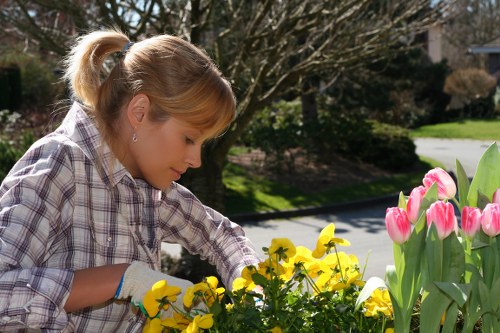
Preparation checklist before your makeover begins
A little preparation can help the project run smoothly and reduce avoidable delays. This is especially useful in Spitalfields, where access and storage can be tight. Whether the property is residential or commercial, planning ahead helps the work progress more efficiently and keeps the site safer and tidier.
Useful things to consider before work starts
- Clear the area of movable furniture, pots, and personal items if possible
- Let the team know about restricted access, stairways, or shared entrances
- Identify any features you want to keep, such as mature planting or decorative items
- Think about how the space should be used after completion
- Discuss pets, children, customers, or staff movement if the property is occupied
- Raise any concerns about drainage, privacy, or boundary edges early on
- Consider whether temporary access to bins, bike storage, or deliveries is needed
For commercial customers, it can help to schedule work around the quietest part of the week or day. For homeowners, it may be useful to decide whether you want the makeover done all at once or in phases. A phased approach can be ideal where access is awkward, budgets need to be managed carefully, or the space is likely to be used throughout the project.
Good preparation does not mean doing the work yourself. It simply means giving the team the right information so they can plan properly and avoid surprises once the job begins.
Pricing factors: what affects the cost of a garden makeover
People often ask what drives the cost of an outdoor transformation. While exact prices depend on the site and the chosen finish, several factors usually influence the overall quote. Understanding these helps customers compare options fairly and decide where to prioritise spending.
The main cost factors often include:
- Size and complexity of the space
- Current condition and amount of clearing needed
- Access restrictions and waste removal requirements
- Material choices, such as stone, timber, composite, or gravel
- Amount of planting and whether mature specimens are involved
- Drainage, levelling, or structural work needed beneath the surface
- Special features such as lighting, screening, or built-in planters
- Whether the project is residential, commercial, or mixed-use
In Spitalfields, access can have a real effect on labour and logistics. Narrow routes, upper-floor terraces, and limited parking mean that moving materials may take more planning than it would in a suburban garden. That is why a local site assessment is so valuable. It helps ensure the quote reflects the actual work involved rather than a rough guess based on photographs alone.

Why choose a local company for garden makeovers in Spitalfields
There are real advantages to choosing a team that works in the area regularly. A local company is more likely to understand how Spitalfields properties are arranged, what kind of access issues are common, and which finishes stand up well in urban conditions. That knowledge can make the whole process feel more efficient and less stressful.
Local experience also helps with practical coordination. In busy parts of East London, work often needs to be planned around neighbours, shared spaces, loading restrictions, and the daily pace of the street. A nearby team can respond quickly, carry out site visits more conveniently, and adapt to local conditions as the project develops. For customers who value direct, straightforward communication, that can make a noticeable difference.
There is also a design benefit. People who work regularly on Spitalfields properties tend to know which layouts suit narrow courtyards, how to make small gardens feel more generous, and how to introduce screening without making the area feel closed in. This kind of practical understanding is especially useful when the brief includes both visual impact and everyday usability.
Residential and commercial customers we help
Outdoor spaces in Spitalfields are used in many different ways, so the service needs to suit a variety of customer types. A family garden has very different requirements from a commercial terrace or a shared courtyard. The best results come from understanding those differences early on.
For homeowners
Private customers often want a space that feels calmer, cleaner, and easier to enjoy. That may mean creating a small entertaining area, improving safety underfoot, reducing maintenance, or making the garden more attractive from inside the property. In older homes, the project may also need to respect existing features and period character.
For landlords and property managers
Rental properties often benefit from robust, low-maintenance improvements. A tidy, practical garden can help a property present better between tenancies and be easier for residents to look after. Durable finishes, simple planting, and accessible layouts are usually the priority here.
For businesses
Commercial customers may need exterior areas that support customer experience, brand presentation, and staff wellbeing. A neat frontage, an attractive seating space, or a screened courtyard can make a significant difference. In hospitality settings, the outside area can become part of the overall experience, while in office environments it can create a more pleasant break space.
Common concerns customers raise before booking
It is normal to have questions before arranging a makeover, especially if the space is small, awkward, or heavily used. Many Spitalfields customers are looking for practical reassurance as much as design ideas. Here are some common concerns and how they are usually handled.
- Will the space be usable during the work? In some cases yes, but this depends on the size and layout of the project. A clear plan can reduce disruption.
- What if access is limited? Access issues are common in the area, and they are usually manageable with the right planning.
- Can we keep part of the existing garden? Often yes. Retaining healthy planting or usable hard landscaping can help control costs and preserve character.
- How much maintenance will the new space need? That depends on the planting and materials chosen. Low-maintenance options can be built into the design.
- Will the garden work in shade or wind? A good local team will choose plants and features that suit actual conditions rather than idealised ones.
These questions are worth raising early. The more clearly your needs are discussed, the easier it becomes to shape a practical result that matches the property and your expectations. If you are unsure where to start, contact us today and talk through the space in plain terms.
Areas covered around Spitalfields
Garden work in Spitalfields often overlaps with nearby neighbourhoods and adjoining parts of East London. Customers in surrounding areas frequently face similar property layouts, restricted access, and mixed residential-commercial use. That makes a local service especially useful for a wider catchment of homes and businesses.
Areas commonly covered include nearby parts of:
- Shoreditch
- Whitechapel
- Bethnal Green
- Liverpool Street
- Brick Lane
- Aldgate
- Wapping
- Hoxton
- Stepney
- The wider Tower Hamlets area
If your property sits near these locations, a team experienced in garden makeovers in Spitalfields is likely to be comfortable with the access, scheduling, and design considerations that come with central and inner East London projects. That local familiarity often makes the service feel more responsive and better suited to the property type.
Frequently asked questions
How long does a typical garden makeover take?
Timeframes vary depending on the size of the space, the amount of clearing involved, and whether structural or planting work is included. A small courtyard refresh may be quicker than a full redesign with new surfaces and planting. The best way to understand timing is through a site-specific discussion.
Can you work with very small gardens?
Yes. Many Spitalfields properties have compact outdoor areas, and small spaces can benefit greatly from careful design. The key is to use the available area well and avoid features that make the space feel crowded.
Do I need a full redesign, or can I improve what I already have?
That depends on the current condition of the space. Sometimes a partial makeover is enough, especially if the layout is workable and only the surfaces or planting need refreshing. In other cases, starting again is more sensible. A site visit helps clarify this.
Can the makeover be designed to stay low maintenance?
Absolutely. Many customers want a space that looks good without demanding constant upkeep. That can be achieved through planting choices, surface selection, and simpler layouts.
What if my property has difficult access?
That is common in the area and should be considered from the start. Restricted access, upper floors, and shared entrances can all be factored into the plan so the project runs as smoothly as possible.
Can commercial gardens and outdoor seating areas be included?
Yes. Business premises often benefit from the same kind of planning as residential spaces, but with an emphasis on durability, presentation, and practical day-to-day use.
Ready to transform your outdoor space?
If you are looking at a tired courtyard, an underused terrace, or a garden that no longer suits the way you live or work, now is a good time to explore your options. Garden makeovers in Spitalfields can make a real difference to comfort, appearance, and usability, especially when the work is planned with local access and property types in mind.
Whether you need a complete transformation or a targeted refresh, the right team will help you think through layout, materials, planting, and maintenance from the beginning. That means fewer surprises, a more coherent result, and a space that feels more appropriate to the property.
Contact us today to request a free quote or discuss your ideas in more detail. If you are ready to move forward, book your service now and start planning a garden that works better for your home or business in Spitalfields.